
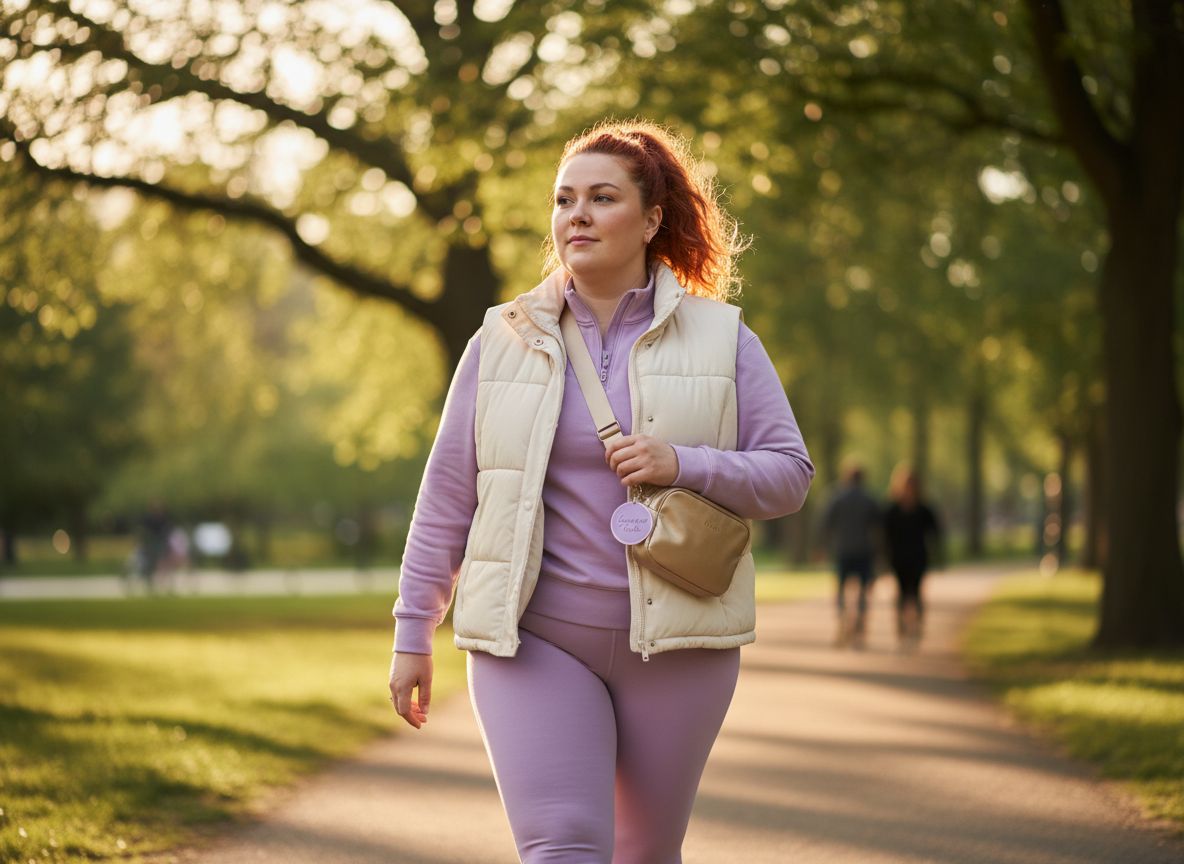
Inexpensive Ways to Stay Fit (Without a Gym Membership)
Cheap, practical ways to stay active: walking ideas, at-home workouts, resistance bands, yoga, kettlebells, and free apps with a simple weekly plan.
This post may contain affiliate links.
Staying fit doesn't have to mean pricey classes, fancy gear, or a complicated routine. The cheapest workouts are usually the ones you'll actually do consistently, so the goal is to pick a few options that fit your life, your schedule, and your energy.
This guide covers low-cost ways to stay active, plus simple ideas to make them more interesting so you don't quit after week two.
In this post
Quick takeaway: the “$0 – $30 fitness setup”
- Comfortable shoes (already owned counts)
- A yoga mat (optional)
- One resistance band set (cheap, versatile)
- One kettlebell or dumbbell (optional, buy secondhand)
- A free workout app or YouTube playlist
1) Walking (the underrated fitness plan)
Yes, everyone says it. And yes, it works. Walking improves cardiovascular health, supports fat loss, helps mood and sleep, and it's easy to scale up or down.
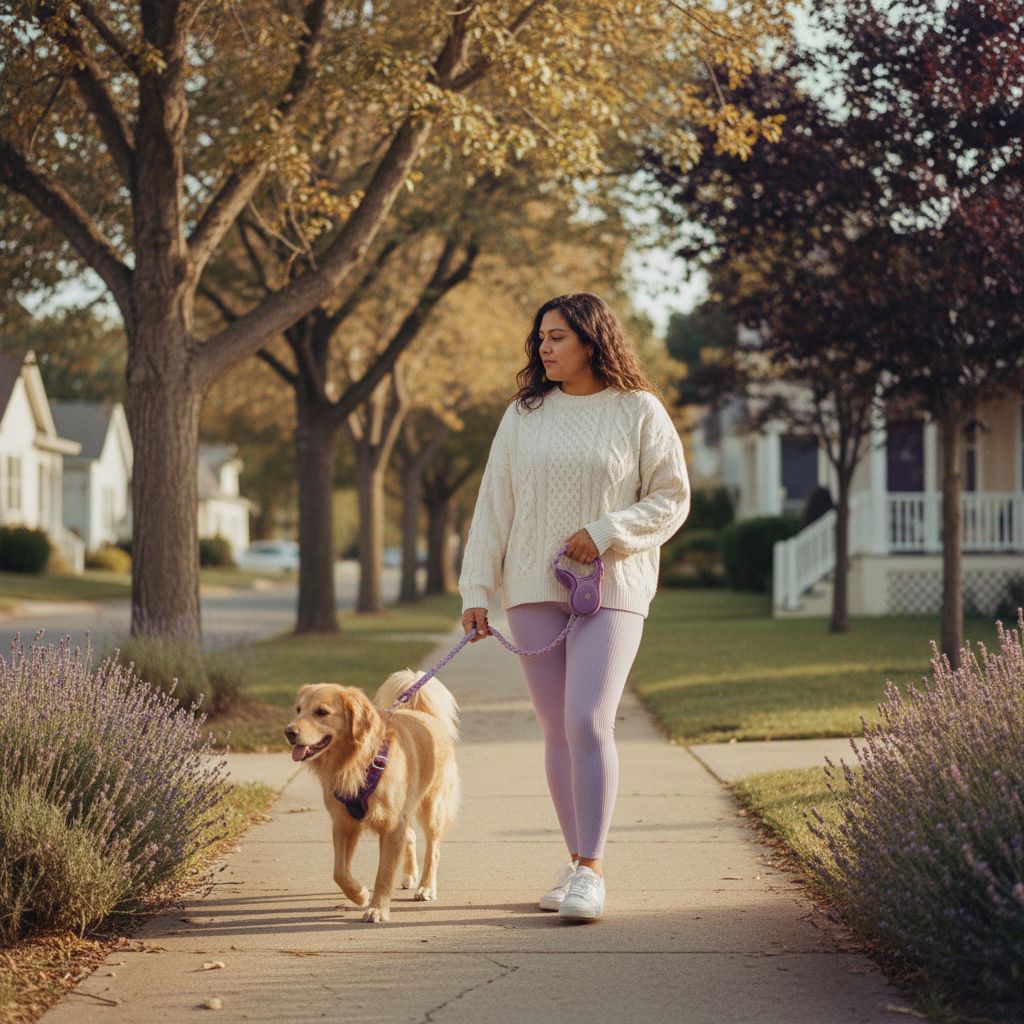
Make walking less boring (and more consistent)
- Bring a friend: Walking and talking keeps you moving longer and makes it feel like social time.
- Make it a family activity: Walk to the park, do a post-dinner loop, or start a “weekend stroll” tradition.
- Listen to something you love: Music, audiobooks, podcasts, or language learning.
- Change the scenery: Rotate routes so it feels new.
- Go somewhere pretty: Parks, waterfronts, tree-lined neighborhoods, trails.
- Make it a bet: Step challenge with friends; loser cooks dinner.
- Turn it into a quest: Pick a real or fantasy destination and “walk to it” over time.
Beginner-friendly walking plan (no pressure)
- Week 1: 10 – 15 minutes, 3x/week
- Week 2: 15 – 20 minutes, 3 – 4x/week
- Week 3: 20 – 30 minutes, 4x/week
- Week 4: Add one longer walk (45 – 60 minutes) if you want
2) At-home workouts (no commute, no excuses)
At-home workouts are one of the best “return on effort” options. You can do strength, cardio, mobility, and core training with minimal equipment.
A simple 20-minute no-equipment circuit
Do 3 rounds. Rest 30 – 60 seconds between moves.
- Squats (or chair squats) — 10 – 15
- Incline push-ups (hands on a counter) — 8 – 12
- Glute bridges — 12 – 20
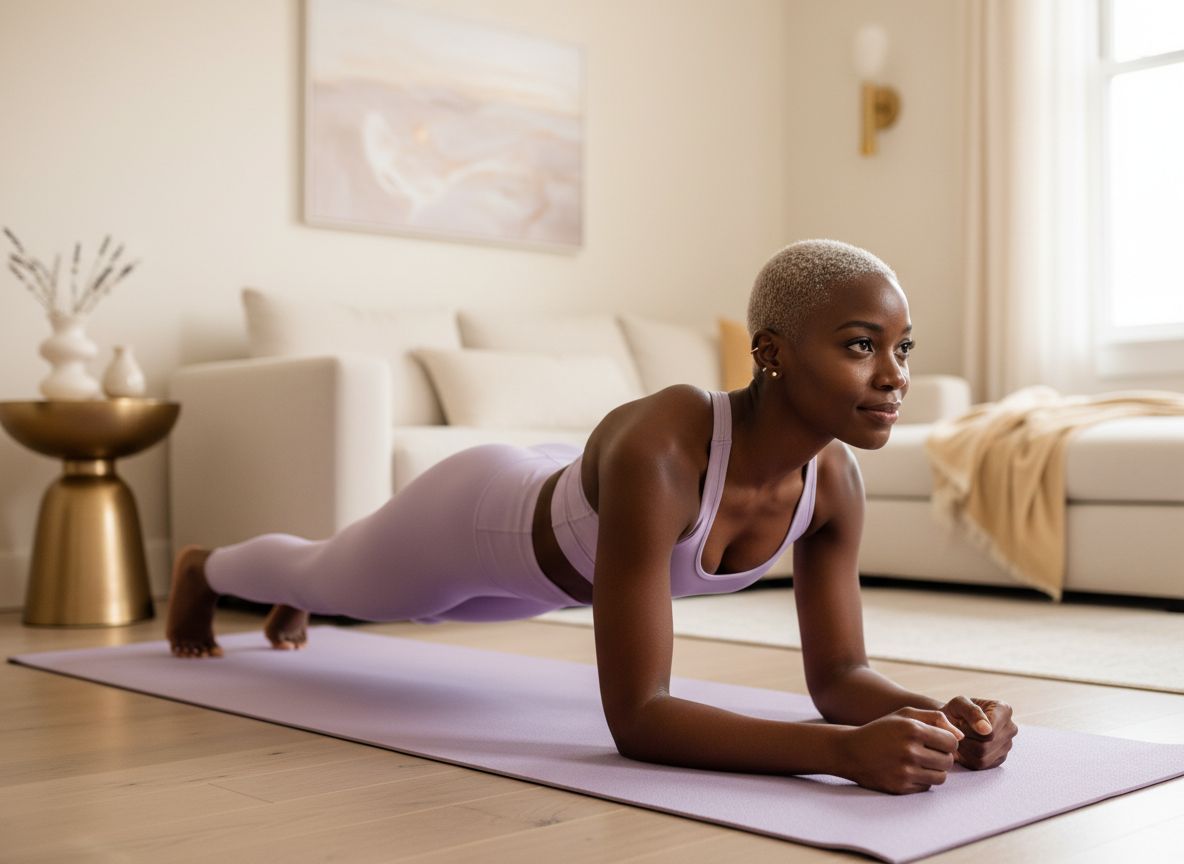
- Plank — 20 – 40 seconds
- Marching in place or jumping jacks — 30 – 60 seconds
3) Kettlebell workouts (one tool, full-body results)
A single kettlebell can cover strength + cardio in one session. If buying new feels expensive, check secondhand marketplaces.
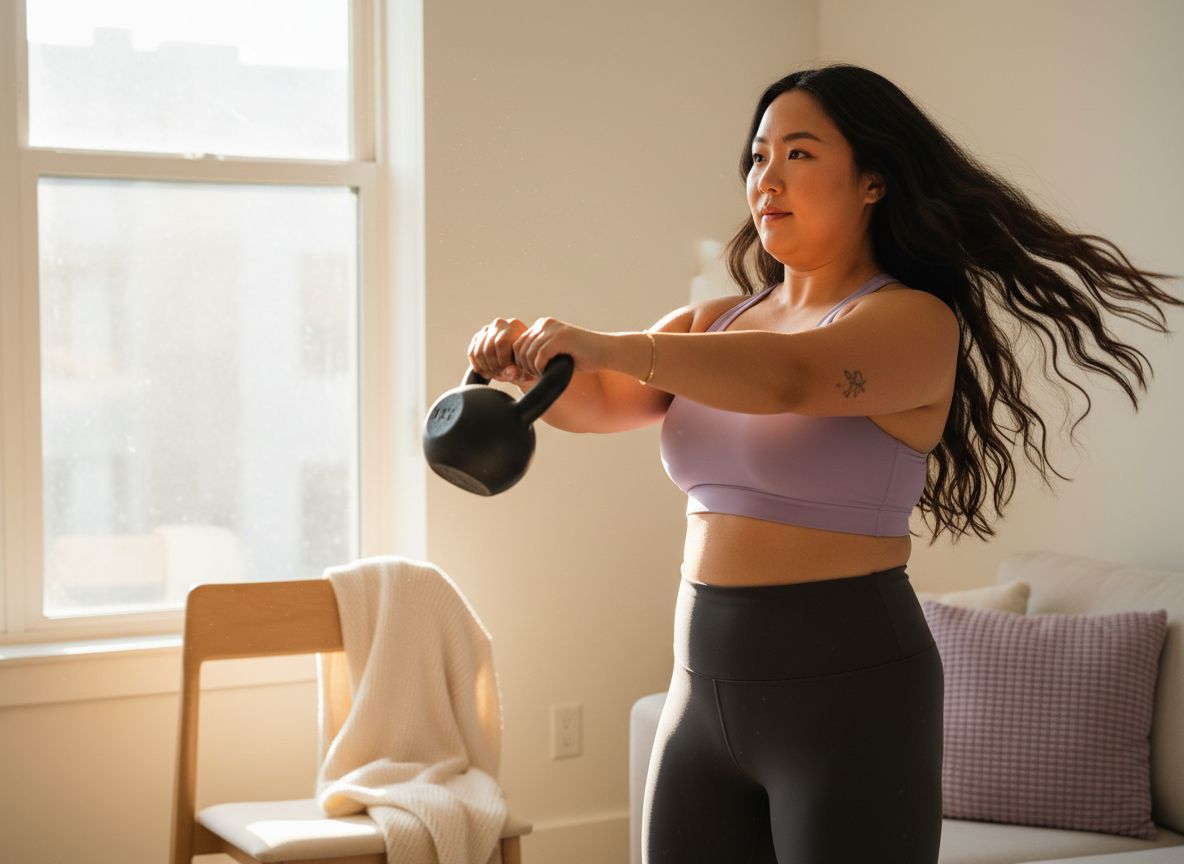
Try the 7-7-7 workout
Do 7 reps each, repeat for 3 – 5 rounds:
- Kettlebell swings
- Goblet squats
- Overhead press (each side)
Try kettlebell ladders
Pick 2 moves (example: swings + goblet squats). Do 1 rep each, then 2, then 3… up to 10. If that's too much, ladder to 5 and repeat.
Safety note: If you're new to kettlebells, start light and focus on form. The goal is “repeatable,” not “wrecked.”
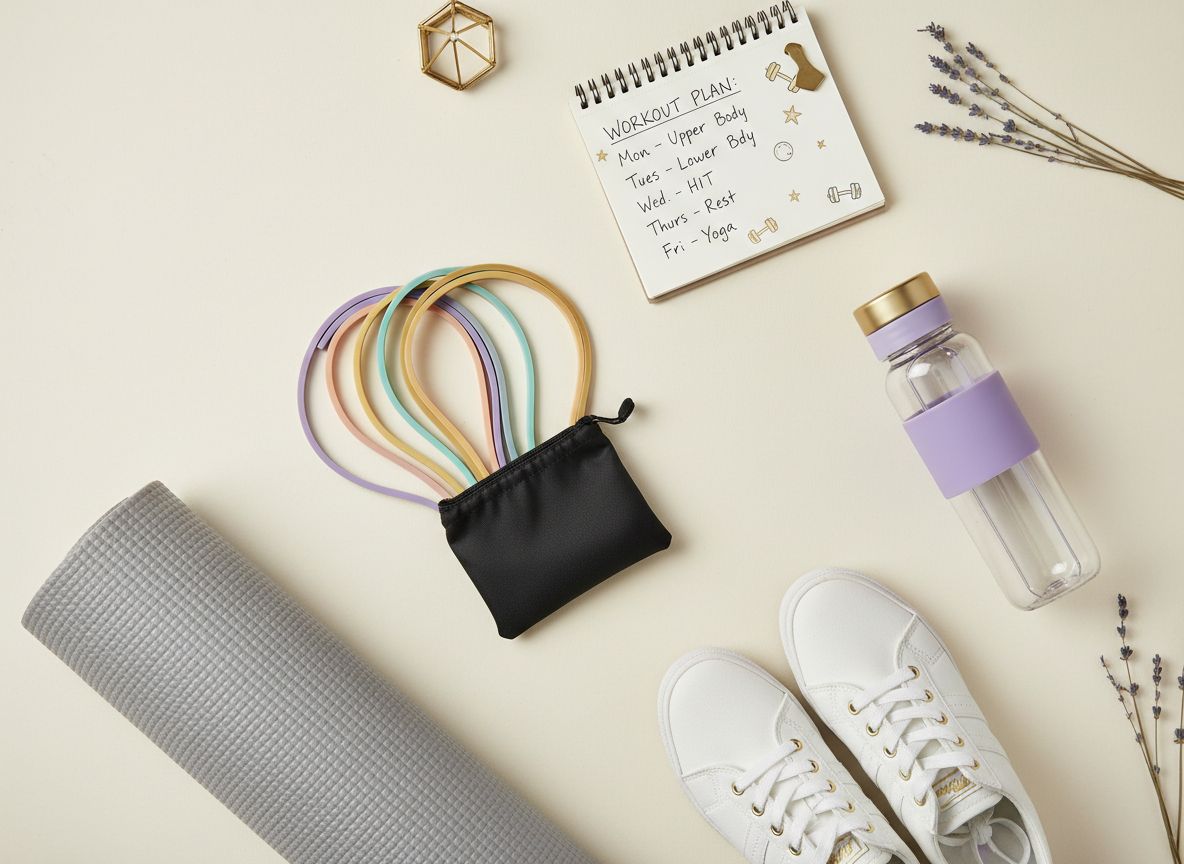
4) Resistance bands (cheap, effective, surprisingly hard)
Resistance bands are one of the best budget fitness purchases because they're portable, beginner-friendly, and scalable.
Band workout ideas (full body)
- Band rows
- Banded squats
- Glute kickbacks
- Chest press (band anchored behind you)
- Shoulder presses
Tip: Look for free band workouts on YouTube and save a playlist so you don't waste time searching.
5) Yoga (mobility, strength, stress relief)
Yoga can improve flexibility, balance, posture, and core strength. You can do it with no equipment, but a mat helps with grip and comfort.
Easy way to start
- Pick a 10 – 20 minute beginner flow
- Do it 3x/week
- Add longer sessions when you feel ready
6) Free or low-cost fitness apps (structure without the price tag)
Apps can help if you like guidance, timers, and a plan.
FitOn
Why it's useful: Beginner-friendly, approachable, guided workouts, community features, and lots of variety.
Website: fitonapp.com
How to use it: Choose 2 – 3 workout types you enjoy and repeat them weekly.
Nike Training Club
Why it's useful: A big library of workouts across strength, mobility, and conditioning, with clear coaching.
Website: nike.com/ntc-app
How to use it: Save a few go-to workouts (10 – 30 minutes) so you're not scrolling when motivation is low.
Down Dog
Why it's useful: Customizable yoga sessions (length, level, focus area) so you can keep it fresh without overthinking.
Website: downdogapp.com
How to use it: Set a default “10-minute reset” you can do on busy days.
7) Bonus: make “staying fit” cheaper by removing friction
- Lay out workout clothes the night before
- Keep your band/kettlebell visible (not buried in a closet)
- Use a simple weekly plan (example below)
Sample weekly plan (mix and match)
| Day | Activity |
|---|---|
| Mon | 20 – 30 min walk |
| Tue | 20 min at-home circuit |
| Wed | Yoga (10 – 20 min) |
| Thu | Walk + optional hills |
| Fri | Resistance band workout |
| Sat | Longer walk with a friend |
| Sun | Rest or gentle stretching |
FAQs
What's the cheapest way to stay fit?
Walking plus a simple bodyweight routine is the cheapest and most sustainable for most people.
Do I need equipment to get in shape?
No. Equipment can help, but consistency matters more than gear.
How often should I work out as a beginner?
Aim for 3 – 4 days per week to start. Keep it short enough that you'll actually do it.
Conclusion
Inexpensive fitness is mostly about choosing a few simple options you enjoy and repeating them. Start small, make it fun, and let consistency do the heavy lifting.
Want a system for the money side too?
Check out the budgeting framework and set up your Floor, Buffer, Peaks, Joy, and Reset. It's the foundation for spending with intention.